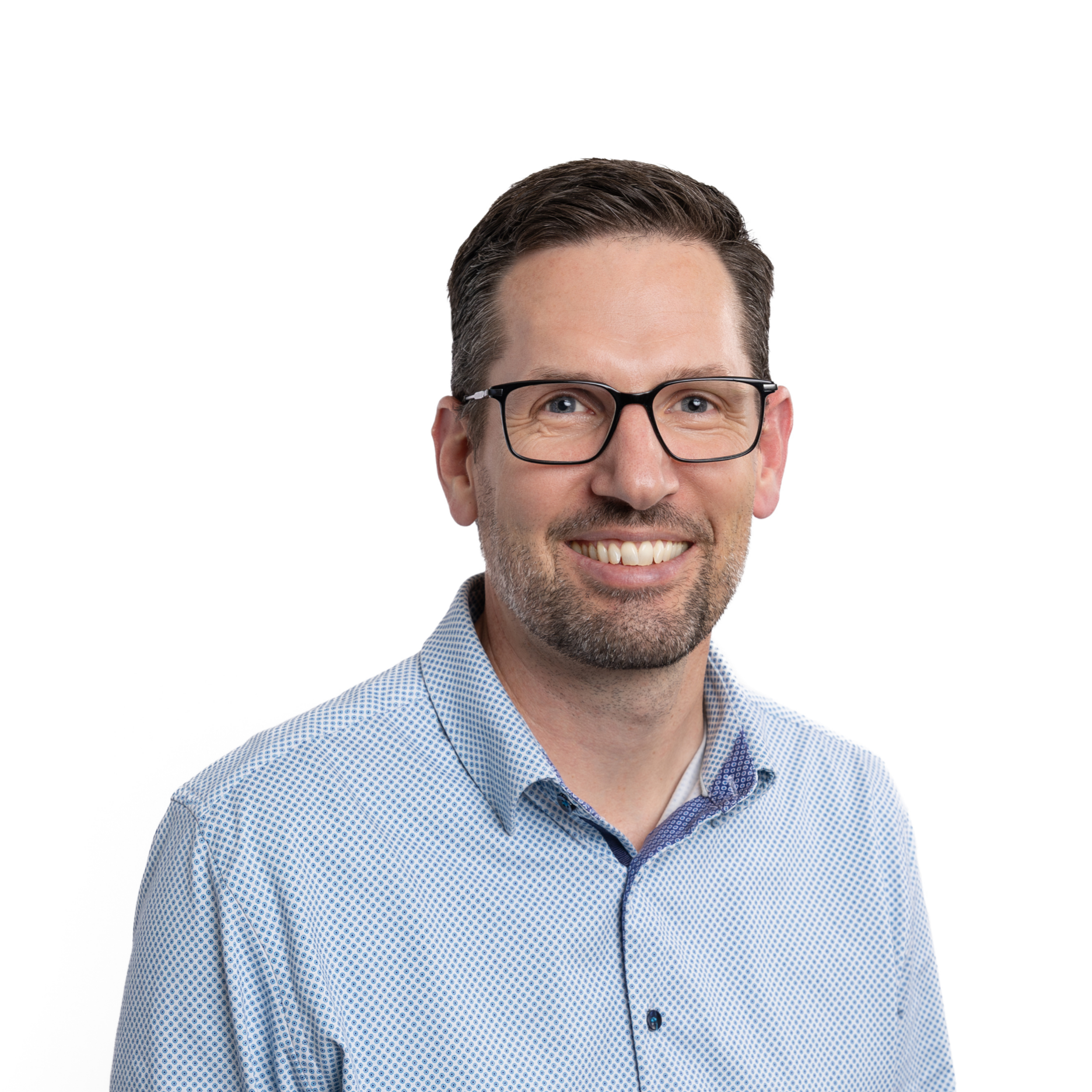
A Backbone for Rural Posibility: A Q&A with Current President Joe Bartmann
As Dakota Resources reflects on 30 years of helping rural communities thrive, President Joe Bartmann sees the organization’s legacy not only in the programs it has created or the loans it has made, but in the trust, confidence, and shared belief it has helped build across rural South Dakota.
Joe has served as President of Dakota Resources since 2018. His work is rooted in the belief that rural communities thrive when local leaders are connected, trusted, and equipped with the resources they need to shape solutions together. Through collaborative learning networks, strong nonprofits, and flexible capital, Joe and the Dakota Resources team continue to strengthen the conditions that help economic development organizations and rural communities invest in their own ideas.
When you think about Dakota Resources’ legacy over the last 30 years, what do you see as the most important impacts the organization has had for rural communities?
I think one of the biggest things Dakota Resources has helped make happen is shifting the relationships between rural economic development organizations from a lot of turf to a lot of trust. And with that trust has come real collaboration that simply wasn’t happening before. EDOs helping each other solve problems and get things done, not just for their own communities, but for rural South Dakota as a whole.
We also played a meaningful role in changing how people in economic development think about housing. Back in 2012 through 2015, we did a lot of work learning that housing is economic development, and then we just kept repeating that again and again until it became true. That mindset shift has had real, lasting effects. And I think we’ve helped create a sense of hope in communities that wanted to thrive but had a hard time actually believing it was possible. Especially for economic development professionals doing this work largely on their own. We’ve given them real confidence, peer connections, and resources to figure out what their role can be and make it count.
Since you became President in 2018, what’s the most impactful initiative or shift in approach you’ve been part of at Dakota Resources?
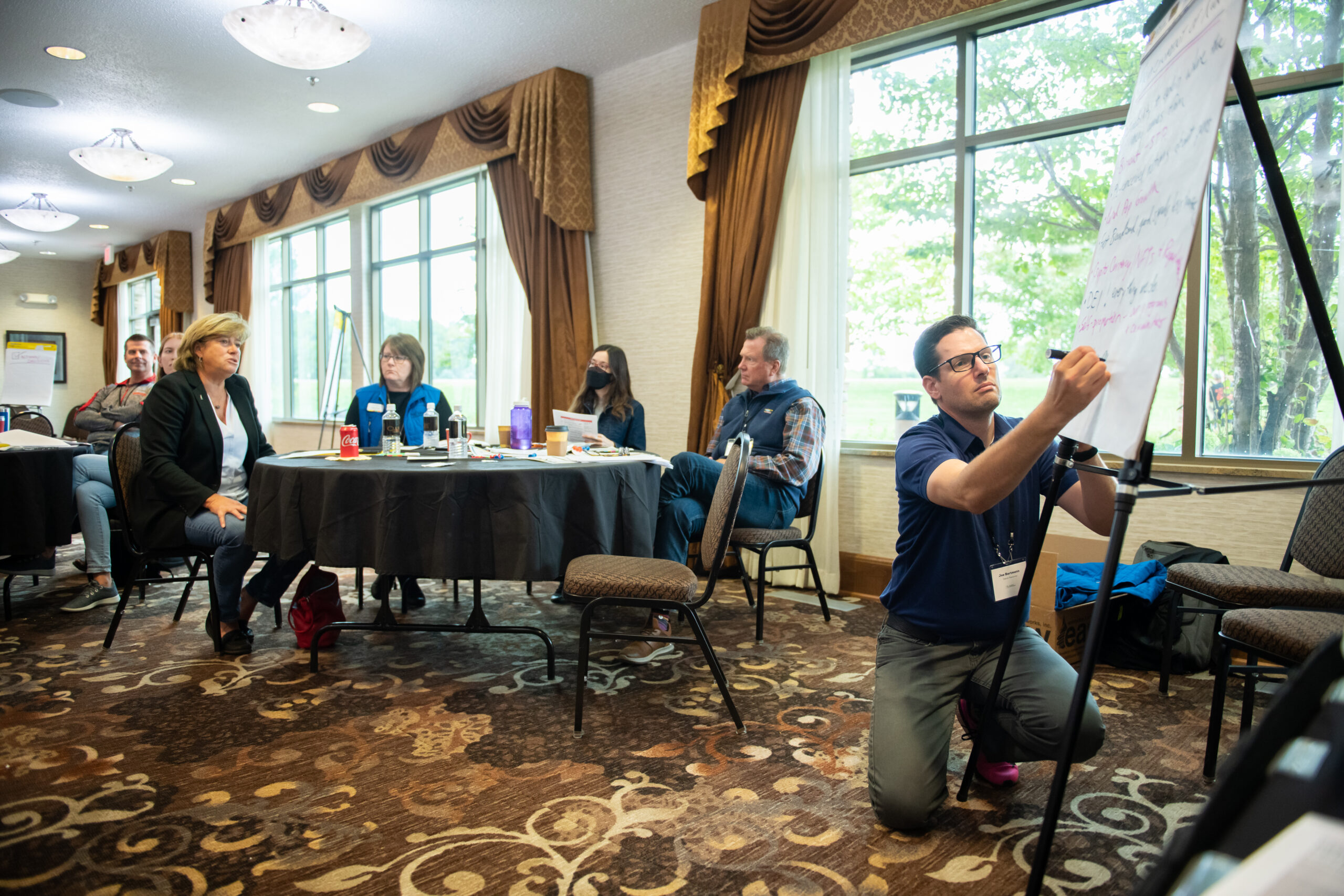
Since 2018, the most significant work has been sharpening our focus. We clarified our mission, named our five core values, and set a vision centered on helping rural communities thrive, both individually and together. Central to that was a decision to focus everything around economic development organizations as the single most important catalyst for thriving rural communities.That meant doubling down on three things: leadership capacity, financial capacity, and the ability to bridge divides and collaborate with other EDOs and the resource providers who can help them.
We made the hard decision to sunset some popular and impactful programs that just didn’t fit where we were concentrating our energy. Those weren’t easy calls. But the most important thing we built was the Thriverr network. At its core, Thriverr is about learning and doing together and building the kind of confidence and trust across communities that makes rural South Dakota stronger as a whole.
What feels most relevant about Dakota Resources’ mission right now?
What feels most relevant right now is the foresight our board and early leaders had in recognizing what it actually takes to help an EDO strengthen enough to help their community thrive, not just for a while, but for the long run. The answer is a three-in-one combination: flexible capital, leadership coaching, and connection through networks. Capital, leadership, and networks aren’t a menu to pick from. Any one or two of them, without the others, just isn’t enough over the long term. The combination is what makes the difference, and that’s what we’re built to deliver now.
If you fast-forward 30 years, what do you hope Dakota Resources looks like?
In 30 years, I hope Dakota Resources has worked itself toward the edges. What I mean is the network is strong enough that EDOs are leading each other. DR is the backbone, not the hub.
I hope the mindset shift is complete. That rural South Dakota is seen by state leaders, funders, and policymakers as a clear investable choice. DR will have played a role in proving that over decades.
And I hope we’re still applying that same three-in-one combination of capital, leadership, and networks to whatever challenges rural communities are facing then. The specific problems will be different. I think the approach will still be right.
But what I hope for most is this: that a generation of young people grew up in rural communities where thriving felt real and possible, because the leaders around them believed it first. That’s the longest legacy. Not the programs we ran or the loans we made, but the belief we helped plant that took root and grew into something we can’t see right now.
Share This Story, Choose Your Platform!
Related Posts