Listening, Learning, and Letting Communities Lead: A Q&A with Past President, Beth Davis
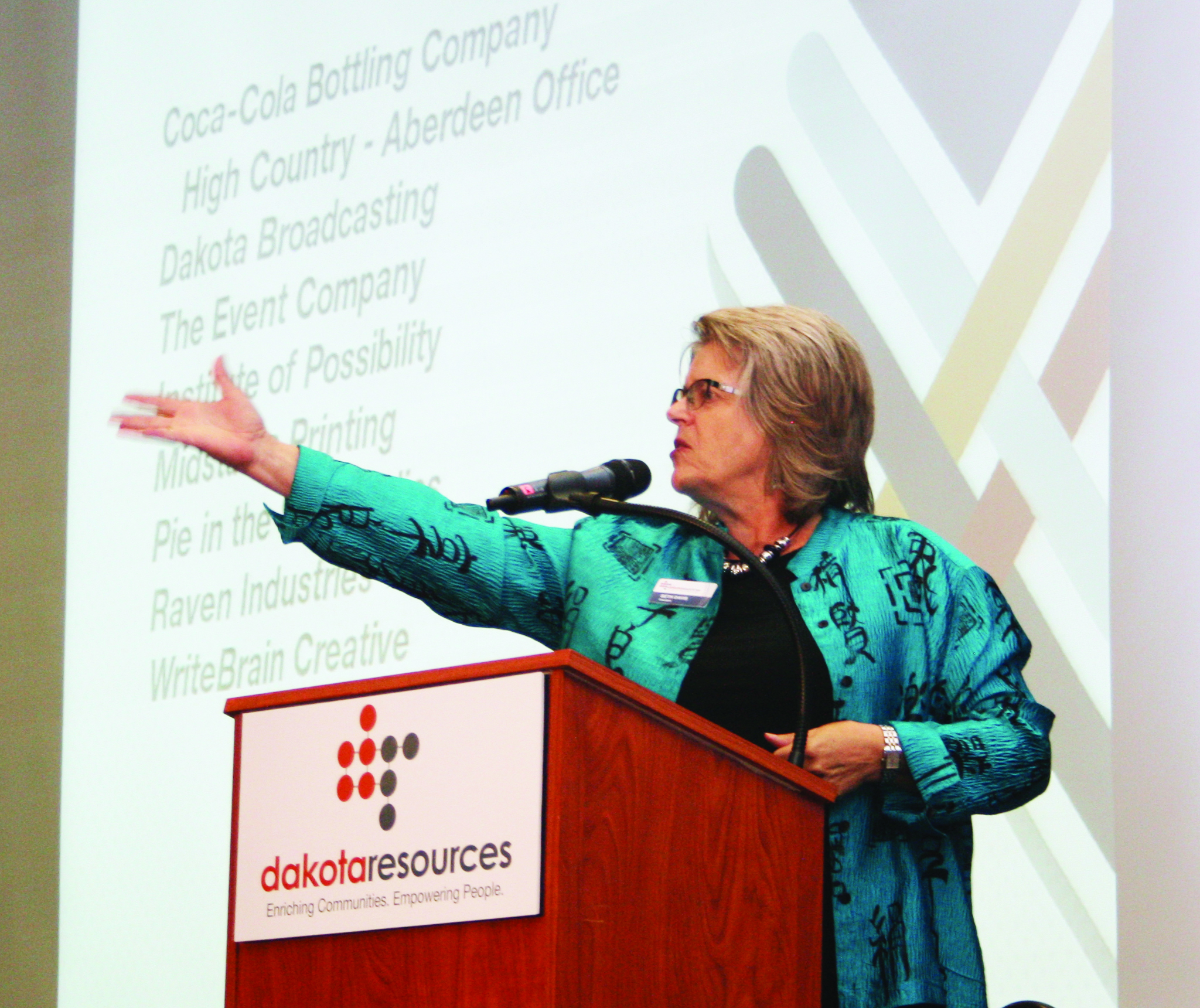
Beth Davis helped shape Dakota Resources from nearly the beginning. Hired in 1998 as the first President of South Dakota Rural Enterprise, Inc. — the organization that would become Dakota Resources — Beth led the organization for 20 years before retiring in 2018. During her tenure, Dakota Resources grew from a capital-focused rural development organization into a statewide partner helping rural communities access flexible capital, strengthen local leadership, build capacity and move community-driven projects forward. As Dakota Resources celebrates 30 years, Beth reflected on the organization’s early work, its lasting legacy and why its mission remains relevant for rural communities today.
You led Dakota Resources, originally known as SDREI, from its beginning days until 2018. When you look back on those years, what do you see as the organization’s most important legacy?
One of the most important legacies was shifting the conversation about what economic development meant. It moved from being focused mainly on “attracting new business” to also nurturing and promoting the growth of existing businesses and helping develop new businesses from within the community.
Another important part of the legacy was helping rural communities and organizations move beyond working in silos. When we engaged with communities, we held listening meetings and asked, “What needs to be done, and who needs to do it?”
The idea was that the community is responsible for the community, not just one organization or the same few leaders. Sometimes that responsibility showed up in large development projects, and sometimes it was as simple as three people going out and painting the seats at the ballpark. Both mattered because they showed people taking ownership of their community.
Dakota Resources also brought flexible dollars to communities so they could do what made sense locally. We helped communities understand that taking on debt and managing it was not the scariest thing in the world. Other funding sources, such as USDA, were often limited in what the money could be used for. Through the Capital Investment Fund, communities could borrow for things like industrial parks, downtown buildings, and other local development projects.
How did Dakota Resources and its work evolve from the organization’s earliest years to the time you retired?
We started out as purely a financial institution, making loans to development corporations. Then there was a juncture where, due to economic conditions at the time, our capital was not being utilized, and we became less relevant for a blink of an eye. The question was what else do communities need in order to thrive. And the answer was leadership. We were blessed to be selected by the Pew Partnership for Civic Exchange to deliver LeadershipPlenty, a model for leadership development that was not focused on accomplishing a project, but on the person. It set us on the right course in our capacity building work with communities. We didn’t bring training or programs, we brought coaches and connections to resources.
The game changer was going into communities and adding training to the financial work. That helped Dakota Resources evolve from being focused mainly on capital to also helping communities strengthen their leadership, capacity, and ability to move projects forward.
Rural communities face different challenges today than they did when Dakota Resources began. Why do you believe its mission remains relevant today?
The mission is still relevant because Dakota Resources continues listening, asking questions, changing and adapting to what rural communities need. The organization is also using the tools available today to reach people better and farther, including online learning. The work continues to help community leaders avoid working in isolation and gives them opportunities to connect with others, learn, and access resources.
As Dakota Resources celebrates 30 years, what do you hope the organization carries forward into its next chapter?
I hope Dakota Resources carries forward its internal values and culture. It has always been a people-first organization grounded in integrity and excellence. The idea was to take care of yourself, your people, your pets, and your property, and then show up for work. I hope that remains true regardless of who is in charge.
I also hope Dakota Resources continues to be made up of social entrepreneurs who are willing to innovate, change, grow and try new things. The organization should not become attached to programs or projects once they are no longer relevant. It should continue asking questions, listening, and learning.
Share This Story, Choose Your Platform!
Related Posts