Supporting Communities for the Long Term: A Q&A with Linda Salmonson
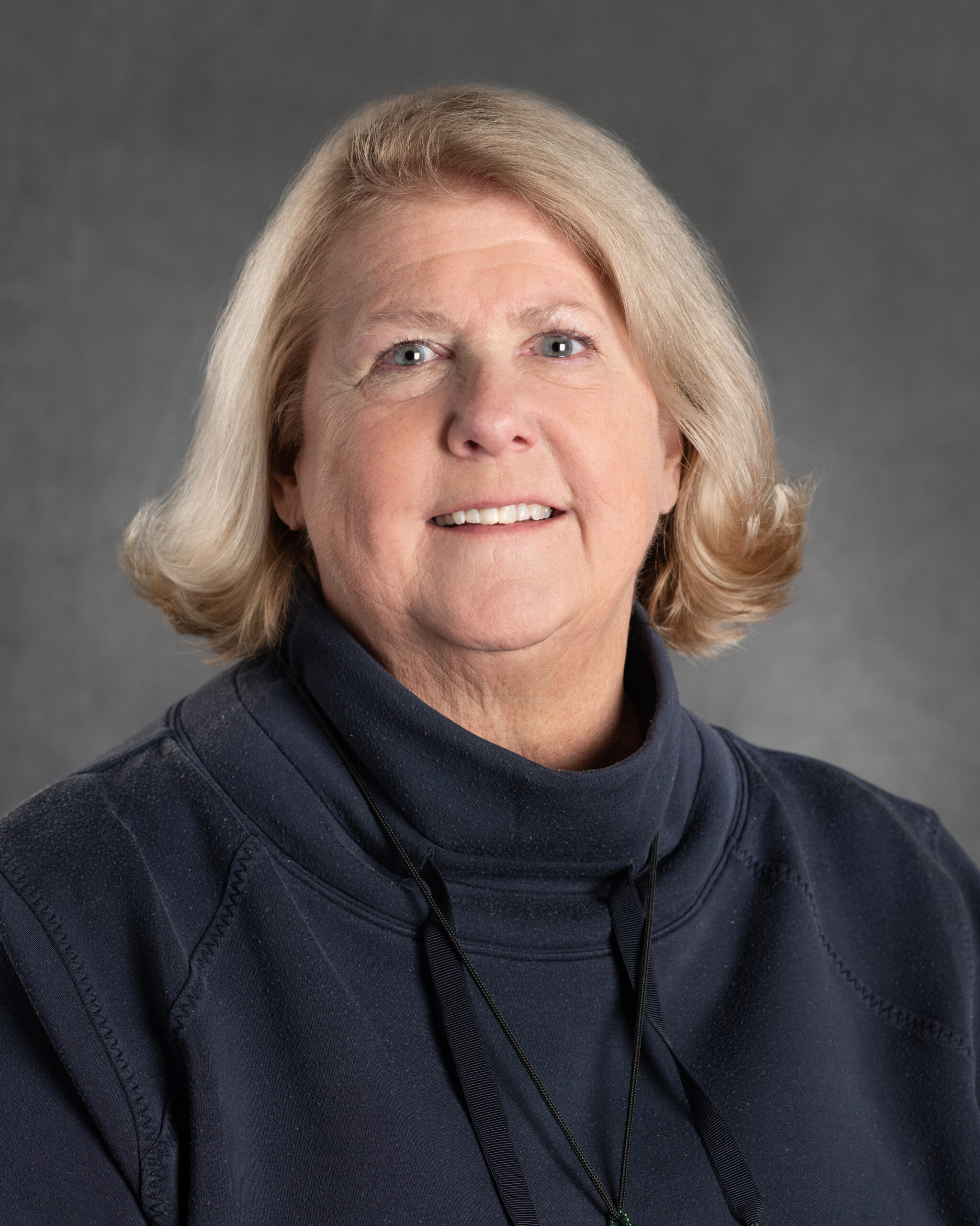
Linda Salmonson has witnessed Dakota Resources’ growth and evolution, from the formation of the organization to today. She first joined the Board of Directors in 1999 serving through 2011 before returning to the board in 2019. She continues to serve on the board today and has also been a major donor to the Dakota Resources’ 30th Anniversary fundraising campaign.
Linda spent 30 years as the Economic Development Manager for East River Electric Power Cooperative, where she managed a diverse portfolio of community and business development loans and worked with communities across a 60,000-square-mile region of South Dakota and Minnesota. She has lived in rural communities her entire life and has also served her own community through the Estelline Area Economic Development Corporation. She lives on a farm between Estelline and Lake Poinsett and is a die-hard Jackrabbit.
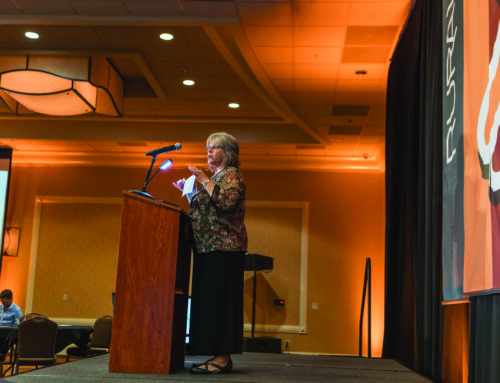
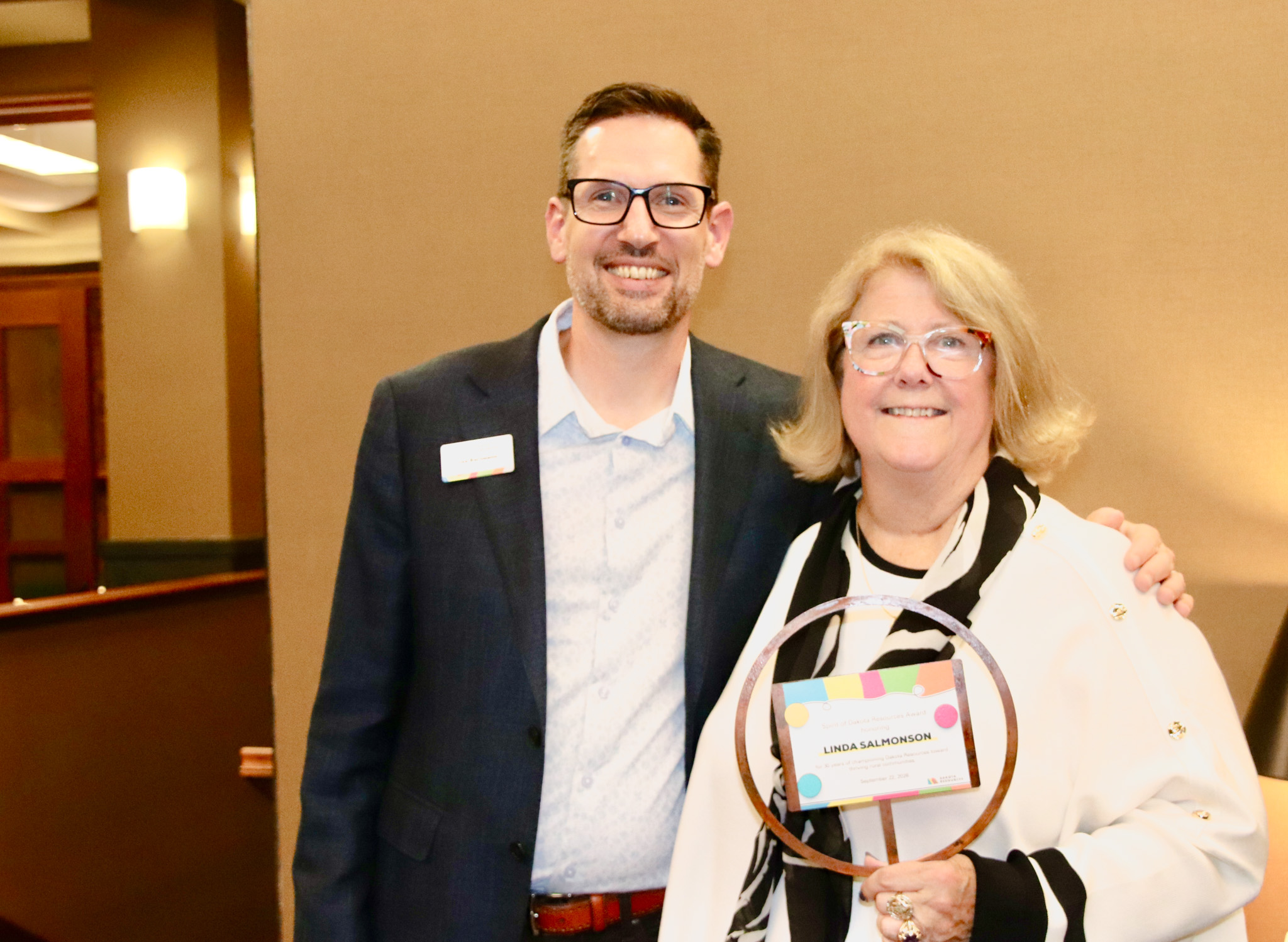
Linda Salmonson was the recipient of the “Spirit of Dakota Resources Award” at Dakota Resources’ 30 Years of Impact Celebration, held on September 22, 2026.
Looking back across your years of board service, what feels most meaningful to you about Dakota Resources reaching the 30-year mark?
When we organized Dakota Resources/South Dakota Rural Enterprise, we were hoping to create a lasting organization that would help rural communities organize and help them find resources for economic and community development. The words “leadership development” weren’t generally discussed around city and county board tables then, but they are now. In addition to DR’s community facilitation, there are a number of leadership programs available to rural leaders that didn’t exist at that time; that’s a credit to Dakota Resources. Dakota Resources has directly assisted over 150 community organizations and 8,000+ rural leaders to gain leadership skills, both impressive numbers.
We also believed that a barrier to economic development was access to resources. The Capital Investment Fund was one way to address that issue. Dakota Resources’ focus on lending to organizations rather than projects has proven a unique and valuable tool to all who have used it.
Underwriting the organization, rather than a project, allows the community to focus investments as they see fit, as opposed to funding one project at a time within a prescribed timeline and set of rules. With that investment totaling over $80 million, obviously Dakota Resources is succeeding in that area as well. A track record of no losses also shows that communities are ready to manage the funds.
From your perspective and your career in economic development, what parts of Dakota Resources’ mission feel most relevant right now for rural communities—and why?
Dakota Resources provides assistance through facilitation and long-term support that communities have needed and embraced. The success stories are numerous and varied. Dakota Resources has paved the way for partnering with a wide range of community and economic development initiatives by connecting communities to them and vice versa. As both local and regional leadership continues to transition to the next generation, Dakota Resources’ dedication to being a partner and connector will serve it well long into the future.
Is there a Dakota Resources moment, decision, or turning point you think helped shape the organization into what it is today?
I believe that Dakota Resources continues to evolve and tells its story now better than ever. The Dakota Resources approach of meeting communities where they are and intentionally connecting leadership to resources in a variety of ways continues to shape the organization and will continue to do so into the future. That didn’t happen as a turning point, but through intentional attention to organizational excellence and dedication to connecting communities to each other. If I had to pinpoint one initiative, it might be Thriverr. The peer-to-peer learning and the resources Dakota Resources brings to the table have really helped to connect communities with each other and elevate Dakota Resources as the go-to organization.
When you think 30 years ahead, what do you hope Dakota Resources looks like—either in its role, its impact, or the kinds of challenges it helps communities solve?
I think by paying attention to the pulse of rural communities and resource organizations, Dakota Resources will remain at the forefront of trusted organizations communities can engage to meet their needs. We don’t know what the future holds for economic development in South Dakota, but communities can rely on Dakota Resources to help them navigate changing times.
Share This Story, Choose Your Platform!
Related Posts